Clearing the Way: How Santiago's Customs Infrastructure Is Accelerating US Import Timelines
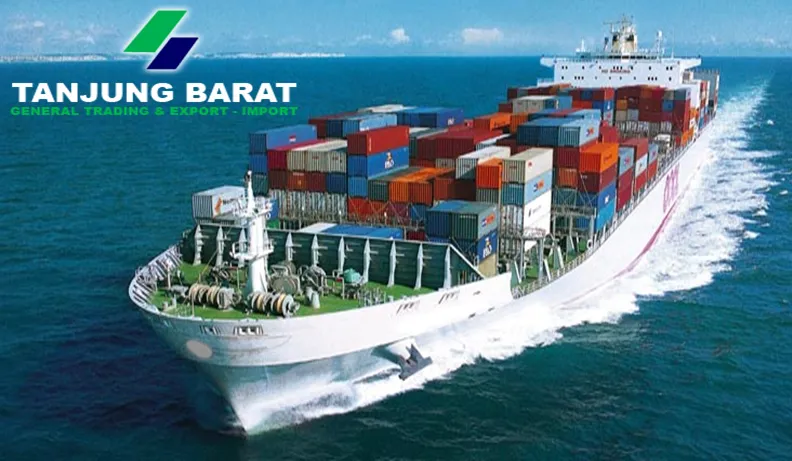
Photo: Asep Supriyanto TB, CC BY-SA 4.0, via Wikimedia Commons
For US importers, the customs process has long been one of the most unpredictable variables in international freight. A shipment that departs on schedule can still arrive weeks behind plan if it encounters documentation deficiencies, port-of-entry backlogs, or regulatory holds at Los Angeles, Miami, or New York. What fewer logistics managers have considered is that the solution may not lie within US borders at all—but rather in Santiago, Chile, more than 5,000 miles to the south.
Santiago's customs infrastructure, its geographic positioning as a natural consolidation hub between the Southern Cone and North America, and Chile's longstanding trade relationship with the United States are creating a corridor where importers can resolve significant portions of their compliance burden before a shipment ever reaches American soil.
Why Traditional Port-of-Entry Clearance Is Failing US Importers
The structural challenges at America's largest ports are well-documented. The Port of Los Angeles and the Port of Long Beach together handle roughly 40 percent of US containerized imports, and that concentration creates systemic fragility. Even modest surges in volume—driven by seasonal demand, geopolitical disruption, or labor actions—can cascade into multi-day clearance delays that ripple through supply chains.
Miami and New York-New Jersey, the dominant entry points for South American goods, face comparable pressures. Customs and Border Protection staffing levels, examination rates, and infrastructure throughput all create chokepoints that are largely outside an importer's control. When a shipment sits in a hold queue, the costs accumulate quietly: demurrage charges, warehousing fees, and the downstream inventory gaps that result from delayed replenishment.
The conventional response has been to invest in better documentation preparation and customs brokers closer to the point of entry. That approach has value, but it addresses the symptom rather than the structure of the problem.
What Santiago Offers That Other Hubs Do Not
Chile occupies a distinctive position in the South American trade landscape. It has signed more free trade agreements than any other nation in Latin America, including the US-Chile Free Trade Agreement that entered into force in 2004. That agreement not only reduces or eliminates tariffs on a broad range of goods but also establishes harmonized documentation standards and expedited customs procedures that apply specifically to trade between the two countries.
For US importers sourcing goods from across South America—whether agricultural products from Argentina, minerals from Peru, or manufactured components from Brazil—Santiago functions as a natural consolidation point. Freight aggregated in Santiago benefits from Chilean customs oversight that is, by regional standards, notably efficient. Chile's Servicio Nacional de Aduanas (National Customs Service) has invested substantially in electronic processing systems, risk-based examination protocols, and single-window clearance platforms that reduce manual intervention and accelerate release times.
Critically, Santiago's infrastructure allows shippers to complete a significant portion of the documentation review and compliance verification process before goods depart for the United States. This front-loading of customs work means that shipments arrive at US ports with cleaner, more complete documentation packages—reducing the probability of examination holds and expediting CBP release.
Pre-Clearance Opportunities and the Role of Consolidation
One of the most operationally significant advantages of routing through Santiago is the opportunity for cargo consolidation under a unified compliance framework. When multiple smaller shipments from different South American origins are consolidated in Santiago, they can be processed under a single set of export documentation, reducing the complexity that CBP officers encounter on arrival.
This consolidation model also creates natural checkpoints for verifying product classification, country-of-origin documentation, and valuation accuracy—three of the most common triggers for US customs delays. Errors caught in Santiago can be corrected before departure, whereas the same errors discovered at a US port of entry initiate a formal examination process that can add days or weeks to clearance time.
Several logistics operators working through the Santiago corridor have reported clearance time reductions in the range of 30 to 50 percent compared to shipments routed through traditional South American ports with direct US entry. While individual results depend heavily on commodity type, documentation quality, and the specific US port of entry involved, the directional improvement is consistent.
Real-World Impact: Case Studies from the Santiago Corridor
A US-based consumer goods importer sourcing packaged food products from multiple South American suppliers restructured its inbound logistics to consolidate at a Santiago facility. Prior to the change, individual shipments from Argentina and Peru were arriving at Miami with inconsistent documentation, triggering examination rates above the industry average. After consolidation in Santiago—with a dedicated compliance review step built into the process—the company's examination rate dropped significantly, and average port-to-warehouse transit time fell by four days.
A separate case involves a mid-sized US pharmaceutical distributor importing raw botanical extracts from Andean suppliers. By routing through Santiago and working with a local customs specialist to pre-validate FDA documentation requirements before departure, the company eliminated the re-documentation holds that had previously added unpredictable delays to nearly every shipment. The pre-clearance investment added modest cost to the Santiago leg of the journey but generated savings that exceeded that cost several times over in avoided demurrage and expedited handling fees at the US port of entry.
The Documentation Advantage in Practice
Beyond the structural benefits of Chile's trade agreements, Santiago offers a practical documentation advantage rooted in the sophistication of its logistics services sector. The city has developed a mature ecosystem of freight forwarders, customs brokers, and compliance specialists with deep expertise in US import requirements. That expertise is not universally available at every South American point of origin.
For US importers, working with Santiago-based logistics partners who understand both Chilean export procedures and US CBP expectations creates a documentation chain that is coherent from origin to destination. This coherence matters because CBP's Automated Targeting System evaluates shipments based on the completeness and consistency of advance electronic data. Shipments with complete, accurate advance filing have meaningfully lower examination rates than those with gaps or inconsistencies.
Rethinking the Entry Point Decision
The entry point decision—which US port a shipment targets—is often made on the basis of geography and freight cost alone. For South American imports, Miami is the default for many companies, driven by proximity and established carrier relationships. That logic is sound, but it does not account for the congestion premium that Miami and other major ports carry, nor does it reflect the pre-clearance value that a Santiago consolidation step can provide.
US importers willing to examine the full landed cost of their supply chain—including customs delays, examination costs, and the inventory carrying costs associated with unpredictable clearance timelines—often find that the Santiago routing produces a more favorable outcome than the apparent simplicity of a direct port-to-port connection.
The customs bottleneck is a real and persistent cost in international trade. Santiago's infrastructure, regulatory environment, and geographic positioning offer US importers a credible mechanism to reduce that cost—not by working around the system, but by engaging it earlier and more effectively than the traditional model allows.