No Margin for Delay: How Santiago Is Quietly Reshaping Medical Device and Diagnostics Distribution to the United States
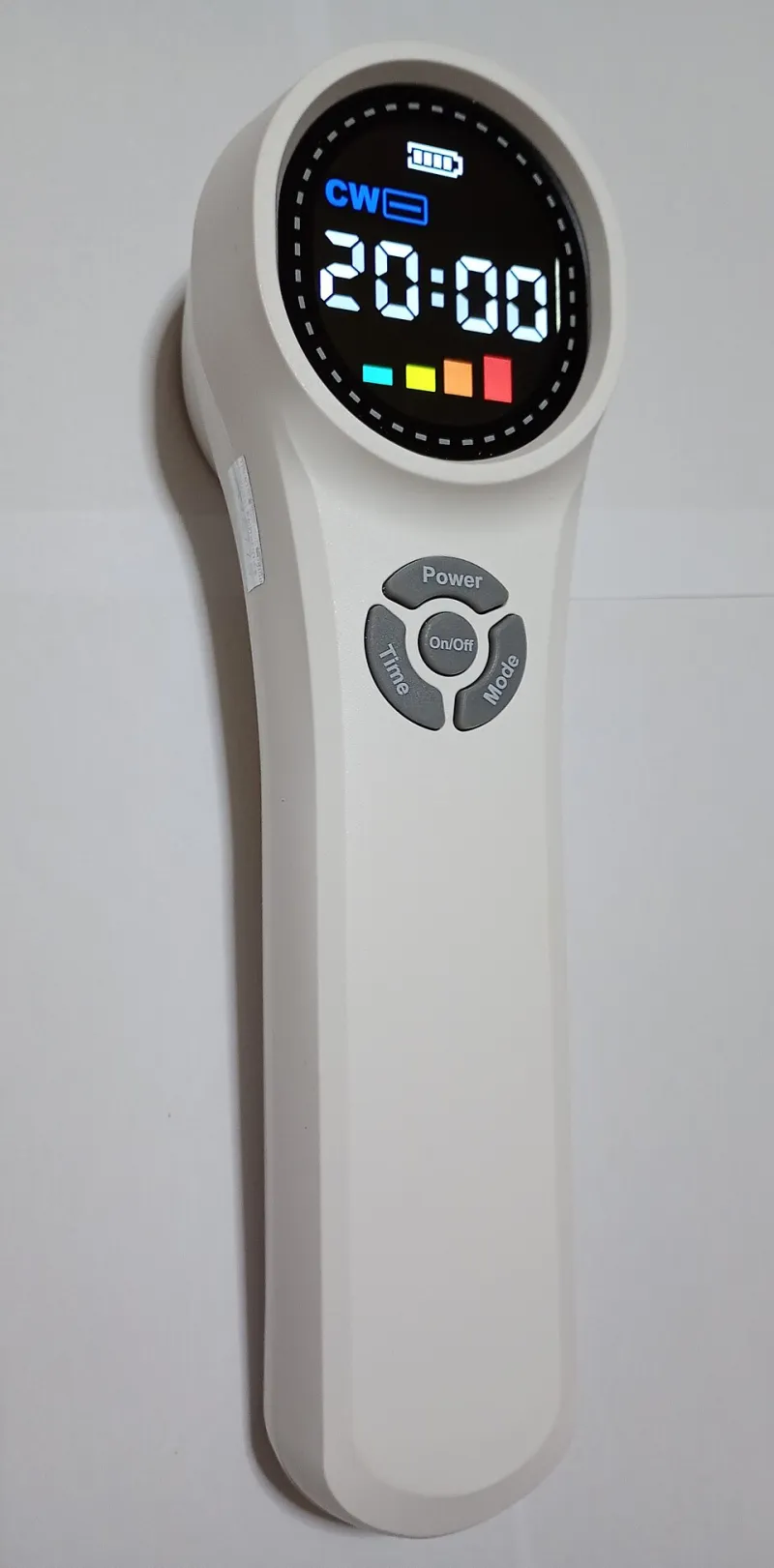
Photo: Gyógylézer, CC0, via Wikimedia Commons
In healthcare logistics, the phrase "it will arrive in a few days" is simply not acceptable. A surgical suite waiting on a replacement component, a regional clinic managing a diagnostic backlog, or a hospital pharmacy monitoring cold-chain pharmaceutical inventory—each of these operations functions on timelines measured in hours, not business days. Yet for years, the conventional wisdom held that reliable, compliant, express-speed delivery of medical goods from South America to the United States required routing through major North American hubs, adding cost, transit time, and handling risk at every transfer point.
That assumption is being systematically dismantled. Santiago, Chile has emerged as one of the most operationally capable and strategically positioned gateways for time-critical medical supply chains serving the US market. What was once considered a peripheral logistics node is now being recognized by procurement directors and supply chain managers as a critical link in healthcare distribution—one that can consistently meet what industry professionals have begun calling the 72-hour standard.
What the 72-Hour Standard Actually Means
The 72-hour benchmark is not a marketing figure. It reflects the operational ceiling that most US hospital systems set for emergency resupply of Class II and Class III medical devices, temperature-sensitive diagnostics, and specialty pharmaceutical components. Beyond that window, clinical workflows begin to degrade—procedures get rescheduled, patient care decisions get deferred, and administrative costs mount.
Meeting that threshold from a South American origin point requires more than a fast aircraft. It demands pre-cleared customs documentation, validated temperature-control packaging, carrier relationships with priority handling agreements at receiving airports, and—critically—a logistics partner with deep familiarity with both US FDA import requirements and Chilean export regulatory frameworks.
Santiago's Arturo Merino Benítez International Airport has invested substantially in its pharmaceutical and medical cargo handling infrastructure over the past decade. Dedicated cold-storage facilities, IATA-certified pharmaceutical handling zones, and direct freighter connections to Miami, Dallas/Fort Worth, and Los Angeles now make it possible to move temperature-sensitive medical cargo from Santiago to a US receiving dock in well under 72 hours under standard operating conditions.
Regulatory Alignment: A Competitive Advantage That Gets Overlooked
One of the most underappreciated factors in Santiago's rise as a medical logistics hub is Chile's regulatory environment. Chile maintains one of the most rigorous pharmaceutical and medical device regulatory frameworks in Latin America, administered through the Instituto de Salud Pública (ISP) and aligned in significant respects with international standards recognized by the US FDA.
For logistics providers, this matters enormously. Shipments originating in Chile benefit from documentation standards and quality control protocols that reduce the likelihood of customs holds, compliance queries, and re-inspection requirements upon arrival in the United States. When a shipment of diagnostic reagents or implantable device components clears Chilean export with full ISP documentation, US Customs and Border Protection processing tends to proceed with considerably less friction than comparable shipments from jurisdictions with less structured regulatory oversight.
This is not a trivial operational detail. Every hour a medical shipment spends in customs review is an hour it is not in the hands of the clinical team that needs it. Regulatory alignment, in this context, is a direct contributor to on-time delivery performance.
Cold Chain Integrity From Origin to Delivery
Temperature excursions remain one of the most persistent and costly problems in pharmaceutical and medical device logistics. A single deviation from the required temperature range can render an entire shipment non-compliant—triggering disposal, replacement orders, and significant downstream delays. For biologics, certain diagnostics, and some device components, the acceptable temperature window is narrow and non-negotiable.
Santiago-based logistics operations serving the US healthcare market have developed cold-chain protocols that maintain integrity from the point of origin through final delivery. This includes pre-conditioned packaging validated to ISTA and ASTM standards, real-time temperature monitoring with GPS-linked data loggers, and carrier agreements that specify handling procedures at each transit point.
The direct routing advantage that Santiago offers plays a significant role here. Fewer intermediate stops mean fewer opportunities for temperature excursion events. A shipment moving on a direct or near-direct service from Santiago to Miami or Los Angeles experiences a fundamentally different risk profile than one routed through multiple connecting hubs in Central America or the Caribbean.
What US Healthcare Procurement Teams Are Getting Wrong
Despite the operational advantages now available through Santiago-based express corridors, many US healthcare procurement and supply chain teams continue to default to logistics models built around older hub structures. The reasons are understandable: established carrier relationships, legacy systems that route automatically through familiar hubs, and a general institutional reluctance to revise logistics protocols that are perceived as "working."
The problem is that "working" and "optimal" are not the same thing. A procurement team that has never experienced a Santiago-direct routing may not realize that their current model is adding 18 to 36 hours to delivery timelines, increasing cold-chain exposure, and generating customs documentation overhead that a better-structured origin point would eliminate.
The evaluation process for medical logistics corridors should include a direct comparison of transit time, temperature excursion incident rates, customs clearance duration, and total landed cost—not simply carrier familiarity. When those metrics are placed side by side, Santiago-based express services frequently outperform legacy routing models in ways that are both clinically and financially significant.
Building Resilience Into Healthcare Supply Chains
The COVID-19 pandemic exposed the fragility of globally centralized medical supply chains in ways that the industry is still processing. The response from many healthcare networks has been to diversify sourcing geographies and build redundancy into distribution models—but diversification without logistics optimization simply redistributes risk rather than reducing it.
Santiago's position as a reliable, high-compliance, express-capable gateway gives US healthcare supply chains a genuine diversification option that does not require sacrificing speed or regulatory confidence. For medical device manufacturers with production or assembly operations in Chile and neighboring countries, the ability to move finished goods or critical components to US clinical customers within a 72-hour window is a meaningful competitive and operational asset.
For logistics planners tasked with building resilient healthcare supply chains, the question is no longer whether Santiago can support time-sensitive US medical distribution. The infrastructure, regulatory alignment, and carrier capacity are in place. The question is whether procurement teams are willing to challenge the assumptions that have kept legacy routing models in place—and whether they can afford not to.